
Built In Furniture vs Freestanding Furniture – Which Is Better?
The debate between built-in and freestanding furniture has long interested homeowners, interior designers, and architects. As living spaces evolve and home design trends shift, the decision between installing bespoke built-in units or opting for versatile freestanding pieces becomes ever more important.
Each approach offers unique advantages and drawbacks, and the ideal choice often depends on individual circumstances, tastes, and the requirements of a space.
Understanding Built-In Furniture
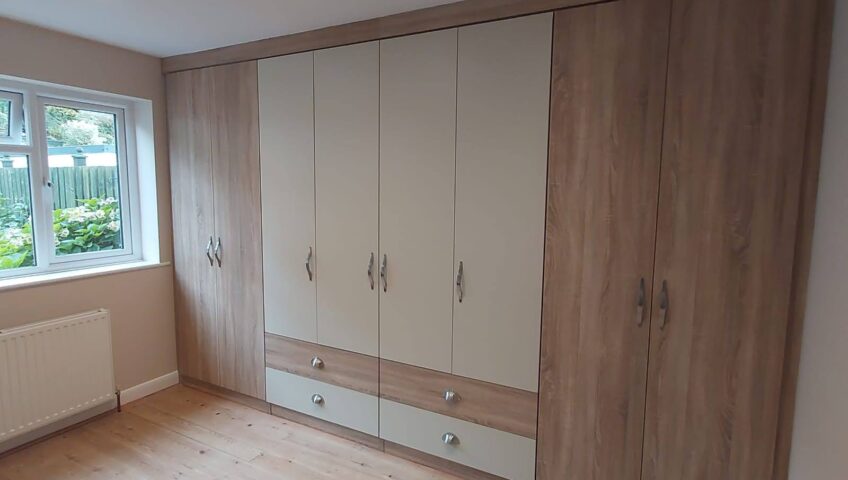
Built-in furniture refers to custom-made fixtures that are permanently integrated into the structure of a room. Common examples include wardrobes, bookshelves, desks, and kitchen cabinetry, all designed to fit precisely within designated areas and to maximise space and efficiency.
Advantages of Built-In Furniture
- Custom Fit and Space Optimisation: Built-in units are tailored to the dimensions of your home, making them ideal for awkward corners, alcoves, or rooms with unusual layouts. They can dramatically increase usable storage and make the most of every available inch.
- Streamlined Aesthetics: Because built-in furniture is made to measure, it tends to create a sleek, seamless look that can make spaces appear larger and less cluttered. Continuity in materials and finishes adds to a feeling of cohesion throughout the home.
- Added Property Value: Quality built-in furniture can add long-term value to your property, especially in high-demand areas like kitchens and bedrooms. Prospective buyers often appreciate well-designed storage and custom features.
- Durability and Quality: Built-ins are generally constructed from robust materials, often resulting in greater longevity compared to mass-produced freestanding pieces.
Drawbacks of Built-In Furniture
- Lack of Flexibility: Once installed, built-in furniture is difficult and costly to move or modify. If your needs change or you wish to alter your room layout, built-ins offer little adaptability.
- Higher Upfront Cost: Custom design and installation usually make built-in furniture more expensive initially. While it may add value, the investment is not always recovered immediately.
- Potentially Personal Taste: Built-ins reflect the preferences of the current owner. If your style shifts or you sell the property, future occupants may not share your tastes.
Understanding Freestanding Furniture
Freestanding furniture includes any piece that is not fixed to a wall or structure, such as sofas, tables, chests of drawers, and wardrobes. These items can be purchased off the shelf or customised and are easily rearranged or replaced.
Advantages of Freestanding Furniture
- Flexibility and Mobility: Freestanding pieces can be moved, replaced, or reconfigured at will, making them ideal for renters, frequent movers, or those who enjoy changing their interiors.
- Wide Range of Styles and Prices: With freestanding furniture, there’s an enormous variety of designs, materials, and price points available, from affordable flat-pack options to high-end designer pieces.
- Personal Expression: You can easily change the look and feel of a room by swapping out or rearranging freestanding pieces, allowing your home to reflect your evolving tastes.
- Immediate Availability: Most freestanding items are available for quick purchase and installation, with no need to wait for custom fabrication or lengthy fitting processes.
Drawbacks of Freestanding Furniture
- Potential for Wasted Space: Standard sizes may not maximise your room’s dimensions, sometimes leaving awkward gaps or corners unused.
- Visual Clutter: Since freestanding pieces vary in size, shape, and finish, they can sometimes make spaces appear busier and less cohesive, particularly in smaller rooms.
- Less Long-Term Value: Unlike built-ins, freestanding furniture generally doesn’t add to a property’s appraisal value, as it’s not a permanent feature.
- Potentially Lower Quality: Mass-produced pieces may not offer the same level of craftsmanship or durability as custom-built alternatives.
Considerations When Choosing
The choice between built-in and freestanding furniture depends on your budget, lifestyle, design preferences, and long-term plans for your home. If you want a tailored, cohesive look and plan to stay in your property for many years, built-ins are the better investment. However, if you value flexibility, the ability to redecorate with ease, or anticipate moving house, freestanding furniture could be more suitable.
It’s also worth considering a hybrid approach. Many modern homes successfully blend built-in storage with select freestanding pieces, gaining the benefits of both. For instance, built in wardrobes matched with a standalone chest can balance function and style.
So, Which Is Better?
Ultimately, neither built-in nor freestanding furniture is inherently better; the right choice depends on your space, needs, and aspirations. Built-in furniture excels in customisation, efficiency, and adding value, while freestanding furniture offers ease of change. By weighing the pros and cons of each and considering the characteristics of your home, you can create a living environment that’s both practical and beautiful for years to come.
